
Joyful Tasting Monthly Blog
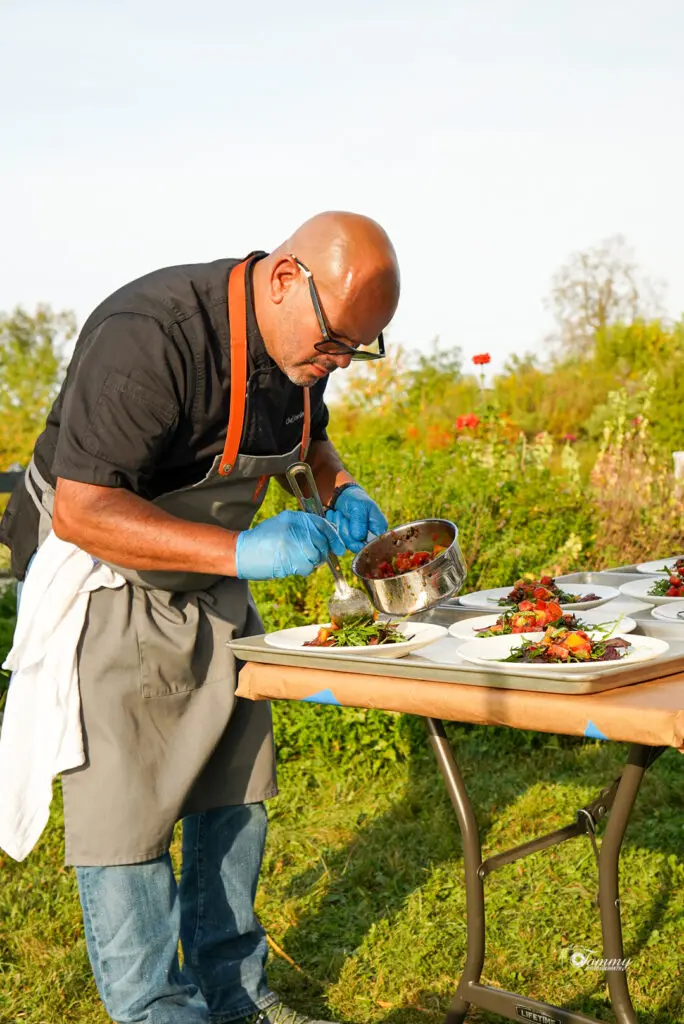
by Chef Jose Gomez
January 5 — Winter Citrus: How Acidity Shapes Flavor
Introduction
Winter citrus brings brightness to the cold months, awakening the palate with floral aromas, vibrant acidity, and refreshing bitterness. This week celebrates the flavors that cut through winter heaviness and remind us that freshness is always in season.
Ingredient Spotlight
Blood Oranges
- Flavor notes: sweet, berry‑like, low bitterness
- Seasonal qualities: peak December–March
- Best uses: dressings, desserts, finishing oils
- Chef insights: anthocyanins create both color and complexity
Meyer Lemons
- Flavor notes: floral, perfumed, gentle acidity
- Seasonal qualities: winter specialty
- Best uses: zesting, vinaigrettes, preserved lemons
- Chef insights: thin skin = intense aromatic oils
Grapefruit
- Flavor notes: bright, refreshing, slightly piney
- Seasonal qualities: winter peak
- Best uses: salads, cocktails, salsas
- Chef insights: remove all pith to avoid harsh bitterness
Technique of the Week — Segmenting Citrus (Supremes)
Segmenting removes membranes and pith, leaving clean, jewel‑like pieces.
Steps
- Slice off top and bottom.
- Stand fruit upright; cut away peel following the curve.
- Hold over a bowl; cut between membranes.
- Squeeze remaining membrane to collect juice.
Chef Tips
- Chill fruit for cleaner cuts
- Use a sharp paring knife
- Save zest for oils or salts
Recipe of the Week (Serves 4)
Citrus Grain Bowl with Herb Oil
Ingredients
Grains & Vegetables
- Cooked farro — 320 g
- Blood orange segments — 150 g
- Grapefruit segments — 120 g
- Meyer lemon zest — 4 g
- Shaved fennel — 100 g
- Arugula — 60 g
- Thin‑sliced radish — 40 g
- Toasted pistachios — 40 g
Herb Oil
- Parsley — 20 g
- Mint — 10 g
- Olive oil — 120 g
- Meyer lemon zest — 2 g
- Salt — 1 g
Citrus Dressing
- Blood orange juice — 30 g
- Grapefruit juice — 20 g
- Honey — 10 g
- Olive oil — 40 g
- Salt — 2 g
Method
- Blend herb oil ingredients until smooth.
- Whisk dressing until emulsified.
- Toss warm farro with half the dressing.
- Add fennel, arugula, radish, and citrus.
- Finish with herb oil, pistachios, and zest.
Chef Notes
Warm grains absorb citrus beautifully, creating layers of brightness and aroma.
Sensory Notes
- Aroma: floral, zesty, uplifting
- Texture: crisp citrus + tender grains
- Flavor arc: sweet → bright → herbal
- Emotional connection: winter renewal
Closing Reflection
Citrus reminds us that even in the coldest months, flavor can be vibrant and alive.
January 12 — Taste Olive Oil Like a Chef
Introduction
Olive oil is a tasting experience, not just a cooking fat. This week explores fruitiness, bitterness, and pungency through a simple, elegant tasting board.
Ingredient Spotlight
Arbequina
- Flavor notes: buttery, mild
- Seasonal qualities: late fall harvest
- Best uses: finishing, baking
- Chef insights: ideal for beginners
Koroneiki
- Flavor notes: grassy, peppery
- Seasonal qualities: winter harvest
- Best uses: salads, grilled vegetables
- Chef insights: high polyphenols = strong pepper finish
Picual
- Flavor notes: tomato leaf, robust
- Seasonal qualities: winter peak
- Best uses: dipping, bold dishes
- Chef insights: Spain’s powerhouse oil
Technique of the Week — Professional Olive Oil Tasting
- Smell first
- Sip without swallowing
- “Slurp” to aerate
- Swallow to feel pungency
What to notice
- Fruitiness (aroma)
- Bitterness (tongue)
- Pungency (throat)
Recipe of the Week (Serves 4)
Olive Oil Tasting Board
Ingredients (in grams)
- Baguette — 200 g
- Arbequina olive oil — 40 g
- Koroneiki olive oil — 40 g
- Picual olive oil — 40 g
- Flaky salt — 4 g
- Crushed pink peppercorn — 2 g
- Fresh thyme — 4 g
- Lemon zest — 2 g
Method
- Slice baguette thinly.
- Pour each oil into its own bowl.
- Arrange salt, peppercorn, and thyme on a tasting plate.
- Add lemon zest to Arbequina to show how citrus lifts aroma.
Chef Notes
This tasting teaches the language of olive oil — a core Joyful Tasting skill.
Sensory Notes
- Aroma: grassy, fruity, floral
- Texture: silky, rich
- Flavor arc: mild → peppery → robust
- Emotional connection: Mediterranean warmth
Closing Reflection
Olive oil is a story in a bottle. This week, you learn to read it.
January 19 — Winter Comfort Bowl
Introduction
Winter comfort can be nourishing and bright. This bowl blends roasted sweet potatoes, warm spices, and a creamy tahini‑lemon dressing for a satisfying plant‑forward meal.
Ingredient Spotlight
Sweet Potatoes
- Flavor notes: caramel‑sweet
- Best uses: roasting, mashing
- Chef insights: roast at high heat for deep browning
Chickpeas
- Flavor notes: nutty, mild
- Best uses: bowls, salads
- Chef insights: roast for crunch
Tahini
- Flavor notes: earthy, creamy
- Best uses: dressings, sauces
- Chef insights: thins beautifully with warm water
Technique of the Week — Roasting for Caramelization
- Roast at 220°C / 425°F
- Use enough oil to coat
- Don’t overcrowd the pan
Recipe of the Week (Serves 4)
Roasted Sweet Potato Bowl
Ingredients (in grams)
Bowl
- Sweet potatoes — 600 g
- Olive oil — 30 g
- Smoked paprika — 4 g
- Salt — 4 g
- Chickpeas — 240 g
- Baby spinach — 120 g
- Pickled red onion — 40 g
Tahini‑Lemon Dressing
- Tahini — 80 g
- Lemon juice — 30 g
- Warm water — 40 g
- Garlic — 2 g
- Olive oil — 20 g
- Salt — 2 g
Method
- Roast sweet potatoes with oil, paprika, and salt.
- Whisk dressing until creamy.
- Assemble bowls with spinach, chickpeas, potatoes, and onions.
- Drizzle generously.
Chef Notes
Warm vegetables make the tahini dressing bloom with aroma.
Sensory Notes
- Aroma: warm spices
- Texture: creamy + crisp
- Flavor arc: sweet → smoky → bright
- Emotional connection: cozy nourishment
Closing Reflection
This bowl is winter comfort with a Mediterranean soul.
January 26 — Mindful Tasting
Introduction
Mindful tasting slows us down and reconnects us with flavor. These tea‑poached pears are a quiet, elegant dessert that teaches presence through aroma and texture.
Ingredient Spotlight
Pears
- Flavor notes: floral, honeyed
- Best uses: poaching, baking
- Chef insights: Bosc holds shape best
Chamomile Tea
- Flavor notes: floral, calming
- Best uses: poaching liquid, syrups
- Chef insights: steep strong for depth
Citrus Zest
- Flavor notes: aromatic without acidity
- Best uses: finishing, infusions
- Chef insights: zest adds perfume
Technique of the Week — Poaching in Tea
- Keep heat low
- Let pears cool in liquid
- Add zest for aromatic lift
Recipe of the Week (Serves 4)
Tea‑Poached Pears
Ingredients (in grams)
- Pears — 600 g
- Chamomile tea — 500 g
- Honey — 40 g
- Meyer lemon zest — 2 g
- Orange zest — 2 g
- Vanilla bean — 3 g
- Mint — 4 g
Method
- Brew strong chamomile tea.
- Add honey, zest, and vanilla.
- Poach pears gently for 12–15 minutes.
- Cool in liquid.
- Serve with mint.
Chef Notes
Cooling in the tea deepens flavor and keeps pears tender.
Sensory Notes
- Aroma: floral, calming
- Texture: tender, silky
- Flavor arc: honey → citrus → vanilla
- Emotional connection: quiet elegance
Closing Reflection
Mindful tasting turns simple ingredients into a moment of presence.